 Ethan BrooksVIEW PROFILE →
Thailand is putting AI and robots to work in its hospitals: what it actually means
Thailand just launched a national AI health hub and is rolling out medical robots across its hospitals. I cut through the hype to explain what these tools actually do, who they help, and why the rest of the world should be paying attention.
I spend my time cutting through the AI hype to explain what these tools actually do and who they affect, so a story only grabs me when the technology touches real lives. Thailand has just given me exactly that kind of story, because the country is moving artificial intelligence and robots out of the lab and straight into its hospital wards in a serious, coordinated way.
This matters because healthcare is one of the few areas where AI can genuinely change outcomes rather than just generate flashy demos. When we talk about screening for disease, reading scans or supporting a doctor's decision, we are no longer discussing a chatbot writing emails, but tools that can help catch an illness earlier or ease the crushing workload on medical staff.
A national AI health hub
The centerpiece of this push is a new partnership announced in early August between the telecoms giant True Corporation, Thammasat University's Faculty of Medicine and hospital, and a firm called EGG Digital. Together they have created what is being called the Thammasat–True AI Health Innovation Hub, positioned as a national platform for collaboration on medical artificial intelligence.
What I like about this approach is that it is not simply about buying expensive machines and parking them in a corner of a hospital. Instead it is about building a structure where doctors, researchers and engineers work together systematically, so the technology is shaped around the real problems Thai patients face rather than imported wholesale and awkwardly bolted on.
This is not an isolated corporate project either, because the Ministry of Public Health is pioneering the use of AI, autonomous medical robots and seamless digital systems as part of its national health strategy. That combination of private ambition and public policy is exactly what tends to turn a promising pilot into something that actually reaches ordinary patients at scale.
What the technology actually does
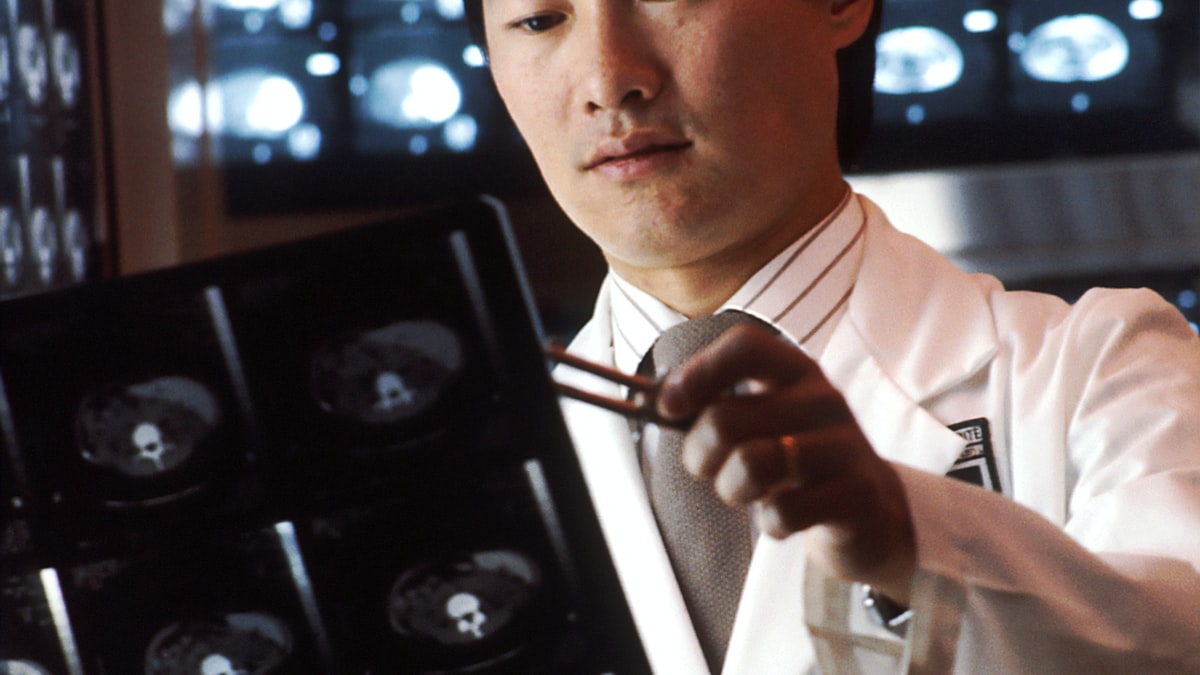
Whenever robots enter a hospital, the first fear people voice is that machines will replace the doctors and nurses we trust, and that fear deserves an honest answer. In reality these systems are designed as assistants, taking on the repetitive, time-consuming and physically draining tasks so that human staff can spend more of their limited hours actually caring for patients.
On the AI side, the tools can help screen for disease, interpret diagnostic images and support clinical decisions quickly and consistently. Think of it as a tireless assistant that filters an enormous volume of data and surfaces what matters, leaving the final judgement, and the human reassurance a patient needs, firmly in the hands of the trained professional at the bedside.
The robotics side is advancing too, with the firms VST ECS and AGIBOT having launched humanoid robots in Thailand, a sign that this technology is spreading fast. The public appetite is clearly there as well, since surveys suggest more than ninety percent of Thai consumers know about AI and over eighty percent already use it regularly in some form in their daily lives.
Why the rest of the world should watch
Here is why I think this deserves attention far beyond Thailand, because the country is essentially running a large, real-world experiment that many others will face soon. Aging populations, staff shortages and rising costs are squeezing health systems everywhere, and Thailand is testing whether smart technology can widen access to good care instead of leaving remote communities behind.
None of this comes without hard questions about data privacy, accuracy and the trust patients place in a machine's judgement, and those questions deserve serious scrutiny. I will keep following how Thailand answers them, because if it gets the balance right, it will not just improve its own hospitals but offer a genuine blueprint for the rest of us to learn from.