 Ethan BrooksVIEW PROFILE →
Nevada Clears the Way for Roughly 8,000 Robotaxis Around Las Vegas in the Largest US Approval Yet
Nevada regulators approved paid robotaxi services from Tesla, Waymo and Uber in the Las Vegas area, clearing roughly 8,000 driverless vehicles in the largest such approval by any US state.
Nevada has cleared the way for one of the largest driverless deployments in the country, with its transportation regulator giving unanimous approval on August 20, 2026, to let Tesla, Uber and Waymo offer paid robotaxi services in Clark County, home to Las Vegas.
The decision moves autonomous ride-hailing from a tightly limited experiment toward a genuine commercial fleet, and it hands the desert city a starring role in the increasingly heated race to put cars without human drivers on public streets.
How the permits break down
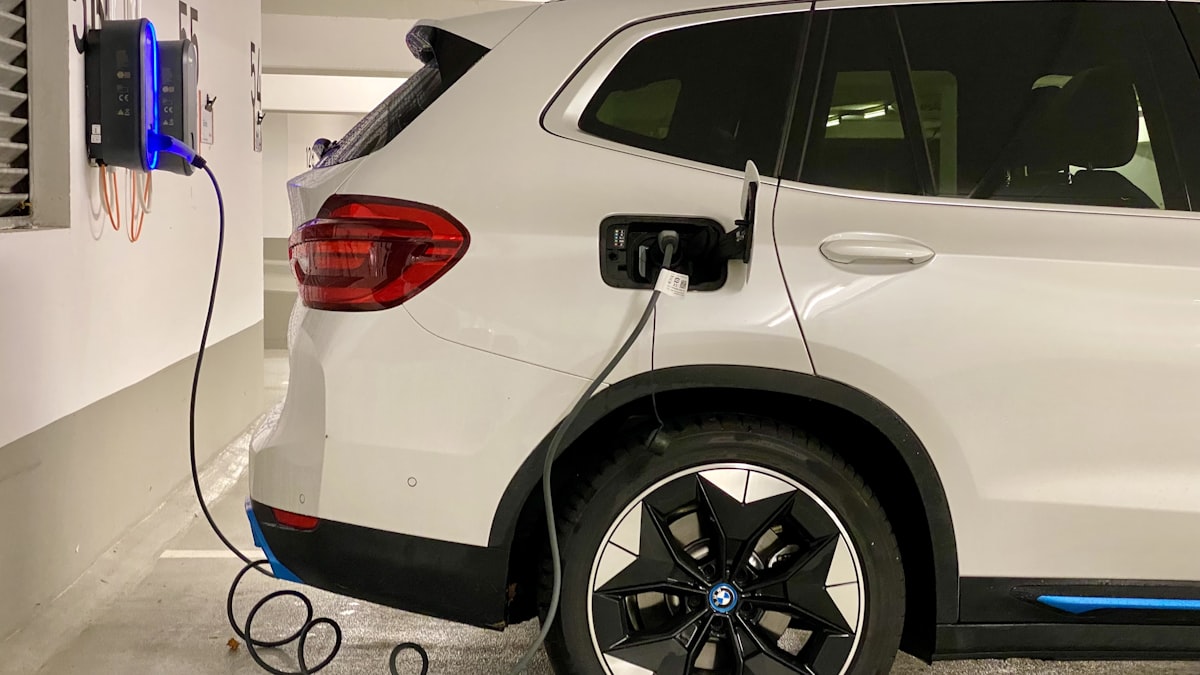
Under the approvals, Tesla received permission to deploy up to five thousand robotaxis over the next twelve months, Waymo up to one thousand vehicles, and Uber another thousand that it will run through partnerships with the operators Motional and Zoox.
With Zoox already holding an earlier permit for one hundred vehicles, the total number of autonomous cars cleared to operate in the county climbs to roughly eight thousand, the largest commercial robotaxi approval granted by any US state so far.
For Tesla the change is especially large, because the new approval extends its operating authority across all of Clark County, arriving just a week after a temporary cap of only ten vehicles had come to light, with room to seek an even wider area later.
Not everyone is on board
The permits drew clear opposition, with representatives from the local livery operators association and traditional taxi companies arguing that the approvals move too far and too fast for a technology still proving itself on busy public roads.
Their concern reflects a broader tension that follows robotaxis into every new city, as established drivers worry about their livelihoods while regulators weigh the promise of safer, cheaper rides against the risk of disruption to existing jobs.
Even the companies themselves signaled caution on timing, with Tesla officials indicating that the actual rollout would be more gradual than the headline permit numbers suggest, a reminder that a cap is a ceiling rather than a promise.
Why Las Vegas matters
Las Vegas is a revealing testing ground, because its wide streets, heavy tourist traffic and round-the-clock demand offer exactly the kind of dense, repetitive routes where autonomous fleets can prove their economics if the technology holds up.
Whether roughly eight thousand driverless cars ever hit the road at once is far from certain, but the approval marks a turning point, signaling that a major American state now sees commercial robotaxis as ready to move from pilot to paid service.